Culinary Concoctions by Peabody

April 27, 2008

Pop Goes The World…

Filed under: Daring Baker Challenge, dessert — peabody @ 3:35 pm

Well, this was a Daring Baker first for me. No, it’s not that I haven’t made this before, it’s that I have never waited until the day it was due to do the challenge! AHHHHH. I thought I had more time, guess not.

This month’s challenge comes from Elle of Feeding My Enthusiasms and Deborah of Taste and Tell. They selected Cheesecake Pops from one of my newer cookbooks, Sticky, Chewy, Messy, Gooey. These fell into the messy category as the dipping in the chocolate and the flying sprinkles everywhere got a little messy. Then again, I was in a bit of a hurry. :)

These fun little pops would be a great thing to make with your kids or to serve at one of their parties. They can be formed into many shapes. If I had a little more time to be creative, I would have gone that route. Even if you are not a kid, these are certainly tasty…I mean it’s cheesecake on a stick…covered in chocolate!

Cheesecake Pops

Makes 30 – 40 Pops

5 8-oz. packages cream cheese at room temperature

2 cups sugar

¼ cup all-purpose flour

¼ teaspoon salt

5 large eggs

2 egg yolks

2 teaspoons pure vanilla extract

¼ cup heavy cream

Boiling water as needed

Thirty to forty 8-inch lollipop sticks

1 pound chocolate, finely chopped – you can use all one kind or half and half of dark, milk, or white (Alternately, you can use 1 pound of flavored coatings, also known as summer coating, confectionary coating or wafer chocolate – candy supply stores carry colors, as well as the three kinds of chocolate.)

2 tablespoons vegetable shortening

(Note: White chocolate is harder to use this way, but not impossible)
Assorted decorations such as chopped nuts, colored jimmies, crushed peppermints, mini chocolate chips, sanding sugars, dragees) - Optional

Position oven rack in the middle of the oven and preheat to 325 degrees F. Set some water to boil.

In a large bowl, beat together the cream cheese, sugar, flour, and salt until smooth. If using a mixer, mix on low speed. Add the whole eggs and the egg yolks, one at a time, beating well (but still at low speed) after each addition. Beat in the vanilla and cream.

Grease a 10-inch cake pan (not a springform pan), and pour the batter into the cake pan. Place the pan in a larger roasting pan. Fill the roasting pan with the boiling water until it reaches halfway up the sides of the cake pan. Bake until the cheesecake is firm and slightly golden on top, 35 to 45 minutes.

Remove the cheesecake from the water bath and cool to room temperature. Cover the cheesecake with plastic wrap and refrigerate until very cold, at least 3 hours or up to overnight.

When the cheesecake is cold and very firm, scoop the cheesecake into 2-ounce balls and place on a parchment paper-lined baking sheet. Carefully insert a lollipop stick into each cheesecake ball. Freeze the cheesecake pops, uncovered, until very hard, at least 1 – 2 hours.

When the cheesecake pops are frozen and ready for dipping, prepare the chocolate. In the top of a double boiler, set over simmering water, or in a heatproof bowl set over a pot of simmering water, heat half the chocolate and half the shortening, stirring often, until chocolate is melted and chocolate and shortening are combined. Stir until completely smooth. Do not heat the chocolate too much or your chocolate will lose it’s shine after it has dried. Save the rest of the chocolate and shortening for later dipping, or use another type of chocolate for variety.

Alternately, you can microwave the same amount of chocolate coating pieces on high at 30 second intervals, stirring until smooth.

Quickly dip a frozen cheesecake pop in the melted chocolate, swirling quickly to coat it completely. Shake off any excess into the melted chocolate. If you like, you can now roll the pops quickly in optional decorations. You can also drizzle them with a contrasting color of melted chocolate (dark chocolate drizzled over milk chocolate or white chocolate over dark chocolate, etc.) Place the pop on a clean parchment paper-lined baking sheet to set. Repeat with remaining pops, melting more chocolate and shortening (or confectionary chocolate pieces) as needed.

Refrigerate the pops for up to 24 hours, until ready to serve.

Source: Sticky, Chewy, Messy, Gooey by Jill O’Connor

March 30, 2008

It’s Sunday, not Tuesday….

Filed under: Daring Baker Challenge, dessert, fruit — peabody @ 1:00 pm


Had a little bit of a scare there yesterday. I went to publish my story and it wouldn’t save or publish. AHHHHHH! Lucky for me, I am married to a computer programmer so I stuck him on it while I went out for girls night. When I came back it was all fixed, sort of. We had to upgrade to the latest version of Wordpress…and now it is like I am learning all over again. Boo.
Anyway, it is that time again. Time for the Daring Bakers challenge. You might have thought it was Tuesday since this is indeed a Dorie recipe and is indeed from Baking From My Home to Yours but it is Sunday. This recipe was chosen by Morven of Food, Art and Random Thoughts. And before I forget a special thanks to Morven for sending me the coolest care package from New Zealand. First she sent me a fabulous magazine called Dish. Which I was confused by since it came with no note and a return address from a place of business. That was followed up by Apple Syrup(I am thinking about what to make with it), Quince Paste(which I will eat with cheese!) and two Cadbury Chocolate bars(one is already gone!). See awhile back I won a contest that was about food and art(two things I know about) and I guessed the most correct. So I got the cool package. You may be jealous now.
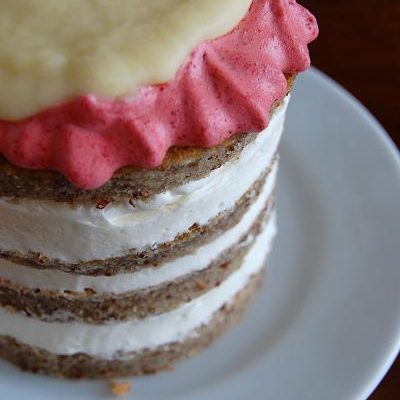
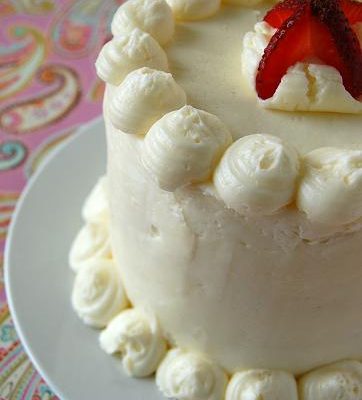
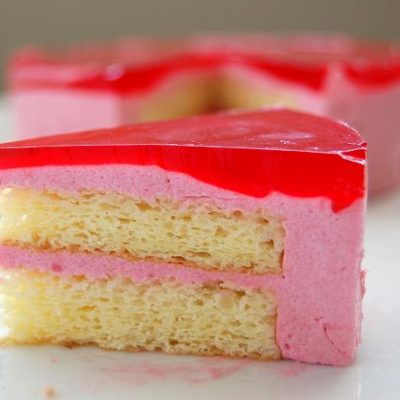
Okay, back to the cake. I only like going to weddings for one thing. Cake. And my favorite is always white cake with white buttercream frosting. So when I saw that this was basically what we were making with the Perfect Party Cake I was beyond excited. The original recipe calls for just buttercream and jam between the layers but as I was trolling the web I saw that Helen had made a lovely lime mascarpone mousse and I decided to do something with that. Except that mine is made with honey tangerines. Yes, I have been on a tangerine kick. No, don’t worry I don’t have scurvy…or should I be getting it anytime soon. If you have never seen a honey tangerine they do look a little different than a regular tangerine. They are larger and are honey in color and have usually blackish spots on them. But they have the wonderful taste of tangerines but a tad bit sweeter. And you know me, the sweeter the better.
I would make this cake again in a heartbeat. It uses my favorite type of buttercream, Swiss. Which reminds me…Rene, this is the type of buttercream you need to learn how to make! It is very versatile as you will see if you go around to the hundreds of Daring Bakers websites. I have seen combos I would have never thought of.

Perfect Party Cake

Words from Dorie
Stick a bright-coloured Post-it to this page, so you’ll always know where to turn for a just-right cake for any celebration. The original recipe was given to me by my great dear friend Nick Malgieri, of baking fame, and since getting it, I’ve found endless opportunities to make it – you will too. The cake is snow white, with an elegant tight crumb and an easygoing nature: it always bakes up perfectly; it is delicate on the tongue but sturdy in the kitchen – no fussing when it comes to slicing the layers in half or cutting tall, beautiful wedges for serving; and, it tastes just as you’d want a party cake to taste – special. The base recipe is for a cake flavoured with lemon, layered with a little raspberry jam and filled and frosted with a classic (and so simple) pure white lemony hot-meringue buttercream but, because the elements are so fundamental, they lend themselves to variation (see Playing Around), making the cake not just perfect, but also versatile.

For the Cake

2 1/4 cups cake flour (updated 25 March)
1 tablespoon baking powder
½ teaspoon salt
1 ¼ cups whole milk or buttermilk (I prefer buttermilk with the lemon)
4 large egg whites
1 ½ cups sugar
2 teaspoons grated lemon zest
1 stick (8 tablespoons or 4 ounces) unsalted butter, at room temperature
½ teaspoon pure lemon extract

For the Buttercream
1 cup sugar
4 large egg whites
3 sticks (12 ounces) unsalted butter, at room temperature
¼ cup fresh lemon juice (from 2 large lemons)
1 teaspoon pure vanilla extract

For Finishing
2/3 cup seedless raspberry preserves stirred vigorously or warmed gently until spreadable
About 1 ½ cups sweetened shredded coconut

Getting Ready
Centre a rack in the oven and preheat the oven to 350 degrees F. Butter two 9 x 2 inch round cake pans and line the bottom of each pan with a round of buttered parchment or wax paper. Put the pans on a baking sheet.

To Make the Cake
Sift together the flour, baking powder and salt.
Whisk together the milk and egg whites in a medium bowl.
Put the sugar and lemon zest in a mixer bowl or another large bowl and rub them together with your fingers until the sugar is moist and fragrant.
Add the butter and working with the paddle or whisk attachment, or with a hand mixer, beat at medium speed for a full 3 minutes, until the butter and sugar are very light.
Beat in the extract, then add one third of the flour mixture, still beating on medium speed.
Beat in half of the milk-egg mixture, then beat in half of the remaining dry ingredients until incorporated.
Add the rest of the milk and eggs beating until the batter is homogeneous, then add the last of the dry ingredients.
Finally, give the batter a good 2- minute beating to ensure that it is thoroughly mixed and well aerated.
Divide the batter between the two pans and smooth the tops with a rubber spatula.
Bake for 30-35 minutes, or until the cakes are well risen and springy to the touch – a thin knife inserted into the centers should come out clean
Transfer the cakes to cooling racks and cool for about 5 minutes, then run a knife around the sides of the cakes, unfold them and peel off the paper liners.
Invert and cool to room temperature, right side up (the cooled cake layers can be wrapped airtight and stored at room temperature overnight or frozen for up to two months).

To Make the Buttercream
Put the sugar and egg whites in a mixer bowl or another large heatproof bowl, fit the bowl over a plan of simmering water and whisk constantly, keeping the mixture over the heat, until it feels hot to the touch, about 3 minutes.
The sugar should be dissolved, and the mixture will look like shiny marshmallow cream.
Remove the bowl from the heat.
Working with the whisk attachment or with a hand mixer, beat the meringue on medium speed until it is cool, about 5 minutes.
Switch to the paddle attachment if you have one, and add the butter a stick at a time, beating until smooth.
Once all the butter is in, beat in the buttercream on medium-high speed until it is thick and very smooth, 6-10 minutes.
During this time the buttercream may curdle or separate – just keep beating and it will come together again.
On medium speed, gradually beat in the lemon juice, waiting until each addition is absorbed before adding more, and then the vanilla.
You should have a shiny smooth, velvety, pristine white buttercream. Press a piece of plastic against the surface of the buttercream and set aside briefly.

To Assemble the Cake
Using a sharp serrated knife and a gentle sawing motion, slice each layer horizontally in half.
Put one layer cut side up on a cardboard cake round or a cake plate protected by strips of wax or parchment paper.
Spread it with one third of the preserves.
Cover the jam evenly with about one quarter of the buttercream.
Top with another layer, spread with preserves and buttercream and then do the same with a third layer (you’ll have used all the jam and have buttercream leftover).
Place the last layer cut side down on top of the cake and use the remaining buttercream to frost the sides and top.
Press the coconut into the frosting, patting it gently all over the sides and top.

Serving
The cake is ready to serve as soon as it is assembled, but I think it’s best to let it sit and set for a couple of hours in a cool room – not the refrigerator. Whether you wait or slice and enjoy it immediately, the cake should be served at room temperature; it loses all its subtlety when it’s cold. Depending on your audience you can serve the cake with just about anything from milk to sweet or bubbly wine.

Storing
The cake is best the day it is made, but you can refrigerate it, well covered, for up to two days. Bring it to room temperature before serving. If you want to freeze the cake, slide it into the freezer to set, then wrap it really well – it will keep for up to 2 months in the freezer; defrost it, still wrapped overnight in the refrigerator.

Playing Around
Since lemon is such a friendly flavour, feel free to make changes in the preserves: other red preserves – cherry or strawberry – look especially nice, but you can even use plum or blueberry jam.

Fresh Berry Cake
If you will be serving the cake the day it is made, cover each layer of buttercream with fresh berries – use whole raspberries, sliced or halved strawberries or whole blackberries, and match the preserves to the fruit. You can replace the coconut on top of the cake with a crown of berries, or use both coconut and berries. You can also replace the buttercream between the layers with fairly firmly whipped sweetened cream and then either frost the cake with buttercream (the contrast between the lighter whipped cream and the firmer buttercream is nice) or finish it with more whipped cream. If you use whipped cream, you’ll have to store the cake the in the refrigerator – let it sit for about 20 minutes at room temperature before serving.
Adapted from Baking From My Home To Yours by Dorie Greenspan


Honey Tangerine Mascarpone Mousse:
2 eggs, separated
4 TB sugar
4 oz mascarpone cheese, at room temperature
5 ounces heavy cream
2 tsp. powdered gelatin + 2 TBS water
zest and juice of one honey tangerine

Sprinkle the gelatin over the water, stir and let sit to bloom. In a large mixing bowl, whisk the mascarpone with the sugar, add egg yolks and whisk until well incorporated. Heat the gelatin for about 10 seconds in the microwave and quickly whisk it in the mascarpone batter. Add the tangerine juice and zest. Whip the egg whites until stiff, fold into the mascarpone mixture. Whip the heavy cream to medium stiff peaks, and fold into the mascarpone.

Adapted from Tartelette

February 29, 2008

French Bread

Filed under: Daring Baker Challenge, baked goods — peabody @ 12:01 am

Most people have heard of Julia Child, and most foodies think of her fondly. What I am most fond about her was her ability to make mistakes on camera, deal with it, and move on. Now a days the ol’ Food Network would never show someone dropping a piece of meat on the ground, picking it up, dusting it off and using it. The horror. I mean if I drop a $50 beef tenderloin on the floor at home, I am going to throw it out, right? Not.


I’m quite fed up with the Food Network and their on going quest to provide less and less actual cooking on the network. They seemed to be more concerned with making sure Rachel Ray has highlights in her hair and Giada’s boobs are peaking out at every possible moment. And the thing that irks me the most is that everything is “perfect, just perfect” to quote Ina Garten. Now don’t get me wrong, I love the Barefoot Contessa, but really, how can every fricken thing she makes be perfect? I experiment in the kitchen a lot. Sometimes what I make turns out like crap. Now granted, they probably aren’t going to put the crap recipe on their show, but you can’t tell me her soup doesn’t need more seasoning every now and again?

So when this month’s recipe was chosen, I was happy to see Julia Child’s name attached. I knew it would be a long one, but one that would no doubt please, and it did just that. I am giving you the recipe, just a link. It’s a LONG one. But don’t let that scare you. If you just break it down step by step, you will have no problems making this bread. Breadchick Mary (The Sour Dough) & Sara (I Like to Cook) were the co-hostesses for this month’s Daring Baker Challenge and what a lovely one it was.
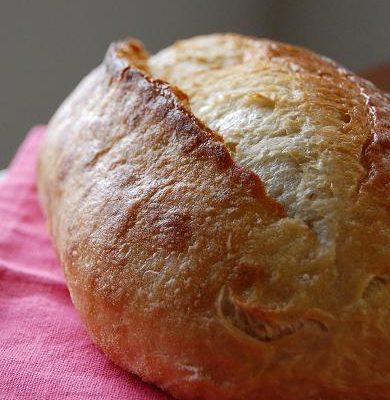
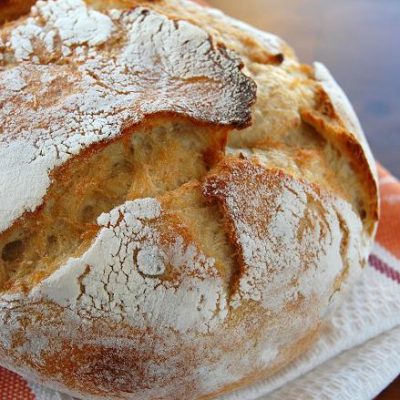
This makes for a surprisingly flavorful bread, though it could have helped that I used fresh yeast.
Mine were made into one loaf and then several little mini batards to go with my beef barley soup.
If you’ve got the time, you should give this bread a go.
To see what the hundreds and hundreds of other Daring Bakers did, go here.
Bon Appetit!

January 28, 2008

Zest for life….

Filed under: Daring Baker Challenge, dessert, fruit — peabody @ 12:40 am

If you were to scour my site you would have a pretty hard time finding a pie recipe. I’m just not a pie girl. I’m not sure if it is because I didn’t really eat them growing up or what. We were more crisp or betty or grunt people. I much prefer the crumbly top of a crisp to that of pie dough. So I will admit some disappointment in the choice of Lemon Meringue Pie for the Daring Bakers Challenge this time around. Jen(The Canadian Baker) chose this pie, and for good reason, most people actually like Lemon Meringue Pie…I’m just not most people.
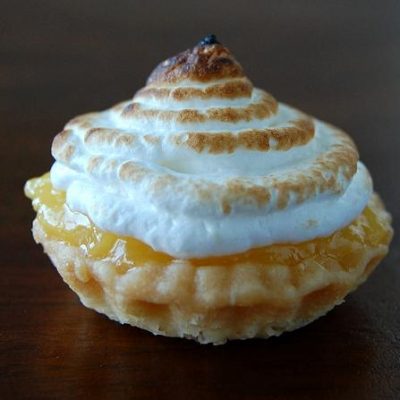
I chose to make  mini tarts. Which probably was not the best idea. They would have worked much better if they were just a tad larger than what I made them. Not much room for the filling. Many a Daring Baker complained about running lemon curd. I didn’t have that problem, I think because of the size of my tarts, they were easier to set up. The problem I did have was the meringue. For some bizarre reason mine would not get brown and so I had to bust out the blow torch to make them have color on top.
I halved the recipe and had no problems with that. I took one bite and it tasted like lemon meringue pie. I gave the rest to a friend and she liked them very much. Of course, she is one of the people who likes lemon meringue pie….so that worked out nicely. :)
To see many other Lemon Meringue Pies, head on over to the Daring Baker Blogroll.

Lemon Meringue Pie

(from “Wanda’s Pie in the Sky” by Wanda Beaver)

Makes one 10-inch (25 cm) pie or about 30 tartelettes

For the Crust:
3/4 cup (180 mL) cold butter; cut into ½-inch (1.2 cm) pieces
2 cups (475 mL) all-purpose flour
1/4 cup (60 mL) granulated sugar
1/4 tsp (1.2 mL) salt
1/3 cup (80 mL) ice water

For the Filling:
2 cups (475 mL) water
1 cup (240 mL) granulated sugar
1/2 cup (120 mL) cornstarch
5 egg yolks, beaten
1/4 cup (60 mL) butter
3/4 cup (180 mL) fresh lemon juice
1 tbsp (15 mL) lemon zest
1 tsp (5 mL) vanilla extract

For the Meringue:
5 egg whites, room temperature
1/2 tsp (2.5 mL) cream of tartar
1/4 tsp (1.2 mL) salt
1/2 tsp (2.5 mL) vanilla extract
3/4 cup (180 mL) granulated sugar

To Make the Crust:
Make sure all ingredients are as cold as possible. Using a food processor or pastry cutter and a large bowl, combine the butter, flour, sugar and salt.Process or cut in until the mixture resembles coarse meal and begins to clump together. Sprinkle with water, let rest 30 seconds and then either process very briefly or cut in with about 15 strokes of the pastry cutter, just until the dough begins to stick together and come away from the sides of the bowl. Turn onto a lightly floured work surface and press together to form a disk. Wrap in plastic and chill for at least 20 minutes.

Allow the dough to warm slightly to room temperature if it is too hard to roll. On a lightly floured board (or countertop) roll the disk to a thickness of 1/8 inch (.3 cm). Cut a circle about 2 inches (5 cm) larger than the pie plate and transfer the pastry into the plate by folding it in half or by rolling it onto the rolling pin. Turn the pastry under, leaving an edge that hangs over the plate about 1/2 inch (1.2 cm). Flute decoratively. Chill for 30 minutes.

Preheat oven to 350ºF (180ºC). Line the crust with foil and fill with metal pie weights or dried beans. Bake for 20 to 25 minutes. Carefully remove the foil and continue baking for 10 to 15 minutes, until golden. Cool completely before filling.

To Make the Filling:
Bring the water to a boil in a large, heavy saucepan. Remove from the heat and let rest 5 minutes. Whisk the sugar and cornstarch together. Add the mixture gradually to the hot water, whisking until completely incorporated. Return to the heat and cook over medium heat, whisking constantly until the mixture comes to a boil. The mixture will be very thick. Add about 1 cup (240 mL) of the hot mixture to the beaten egg yolks, whisking until smooth. Whisking vigorously, add the warmed yolks to the pot and continue cooking, stirring constantly, until mixture comes to a boil. Remove from the heat and stir in butter until incorporated. Add the lemon juice, zest and vanilla, stirring until combined. Pour into the prepared crust. Cover with plastic wrap to prevent a skin from forming on the surface, and cool to room temperature.

To Make the Meringue:
Preheat the oven to 375ºF (190ºC). Using an electric mixer beat the egg whites with the cream of tartar, salt and vanilla extract until soft peaks form. Add the sugar gradually, beating until it forms stiff, glossy peaks. Pile onto the cooled pie, bringing the meringue all the way over to the edge of the crust to seal it completely. Bake for 15 to 20 minutes, or until golden. Cool on a rack. Serve within 6 hours to avoid a soggy crust.

Next Page »